
AfCFTA aims to boost intra-African trade by reducing tariffs and tackling non-tariff barriers that hinder cross-border commerce, with a focus…
Cabotage Vessel Financing Fund (CVFF) supports Nigerian shipowners with funding to acquire and maintain vessels under the Cabotage Act, boosting…

Nigeria domesticated the African Charter on Human Rights in 1983, but structural reforms are needed to enhance its effectiveness and…

Voting rights in corporate governance are key to enabling shareholders' decisions. This article delves into the implications for preference shareholders…

Explore the major challenges facing real estate in Nigeria and discover practical solutions to unlock growth in this rapidly expanding…

Digitalisation is transforming Nigeria’s real estate market, enhancing transparency, efficiency, & security while redefining property transactions and management.

The Investments and Securities Act 2025 strengthens Nigeria’s capital market with enhanced regulations, investor protection, and market growth initiatives.
Piracy threatens Nigeria’s maritime sector, but technology-driven solutions like AI, drones, & satellite tracking can enhance security & curb piracy…

The Gangs of Lagos case highlights the balance between artistic freedom and cultural sensitivity, emphasising the need for respectful and…

Copyright is vital for creators in the digital age. Omoni Oboli’s film dispute highlights the challenges and importance of enforcing…

Adverse possession allows individuals to claim land through continuous, open use. In Nigeria, it raises key questions about justice, fairness,…

Nigeria’s constitutional amendment must prioritise environmental protection, as oil pollution in the Niger Delta threatens the economy, health, and stability.

Innovative conflict resolution is key to tackling environmental disputes in Africa, where resource exploitation fuels instability, pollution & security challenges.
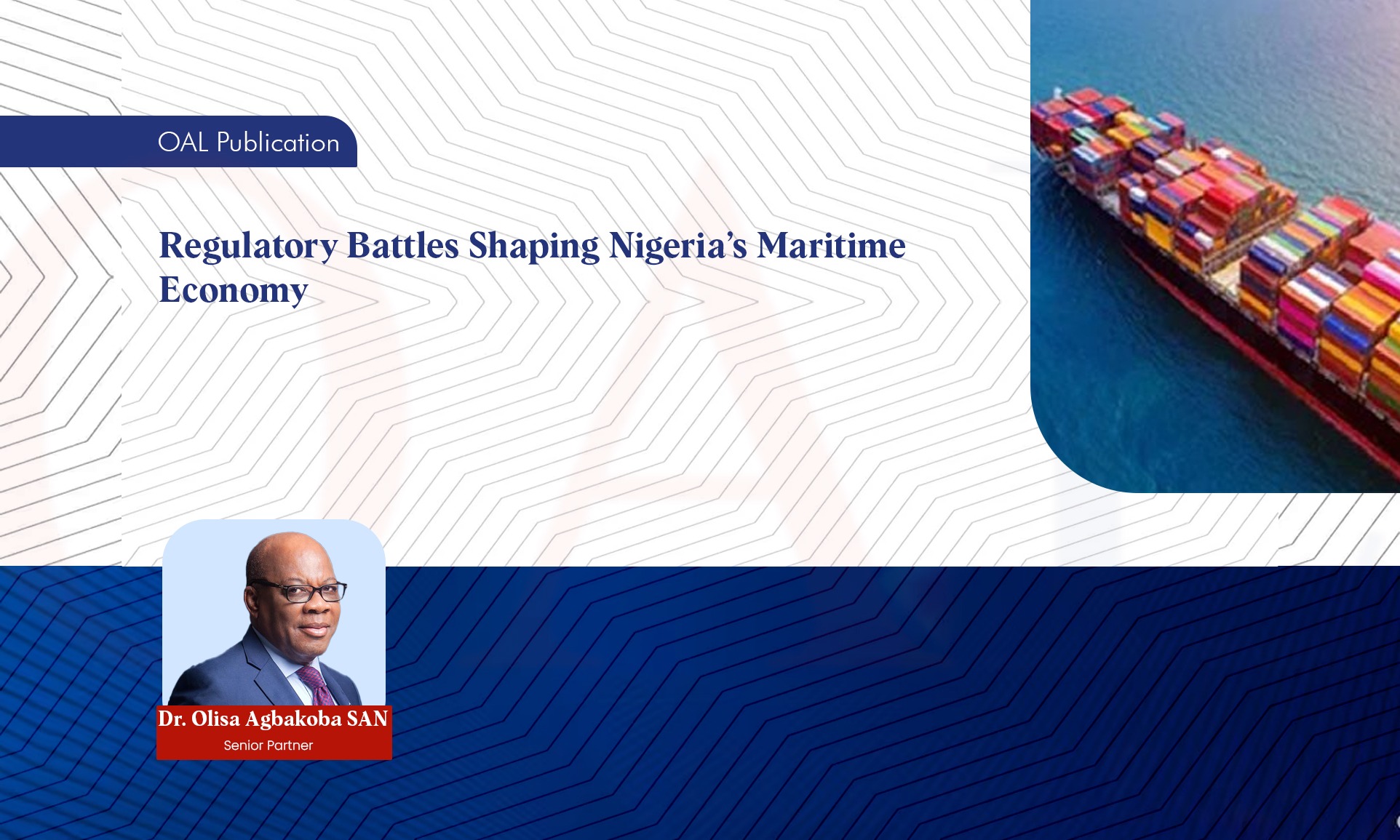
Nigeria’s maritime sector drives trade and growth but faces challenges from outdated laws and weak implementation, impacting its full potential.
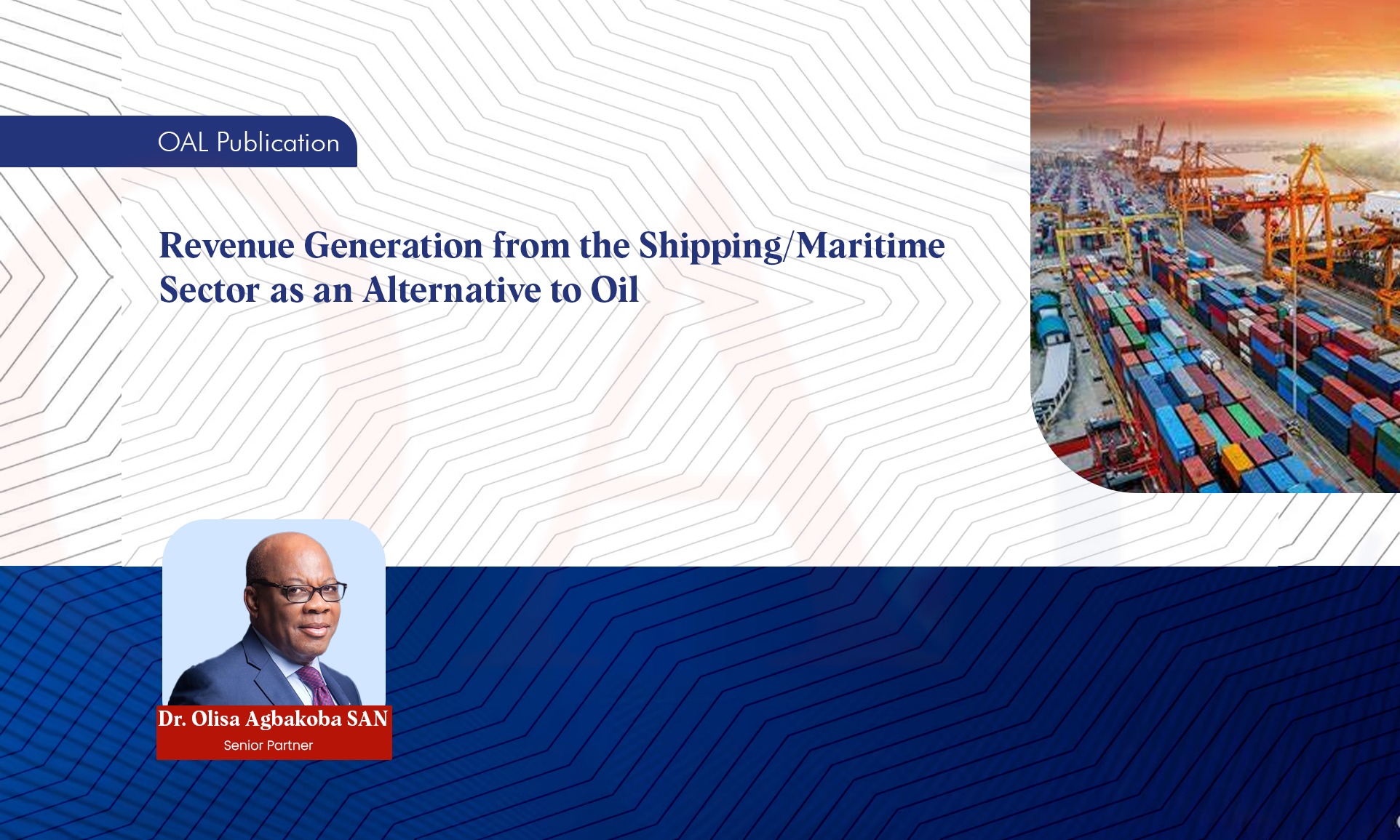
Nigeria’s maritime sector drives trade and energy exports but faces challenges from outdated laws and weak implementation, hindering growth.