
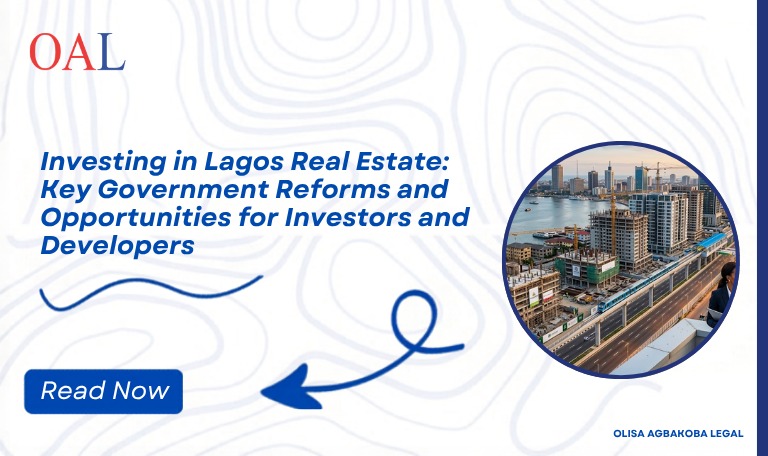
Investing in Lagos real estate is changing as the state introduces reforms to simplify property development, improve land administration, reduce regulatory delays, expand access to development finance, and lower development costs. These reforms are creating new opportunities for local and international investors and developers across affordable housing, commercial real estate, mixed-use developments, urban regeneration, and transit-oriented projects.
Hon. Moruf Akinderu-Fatai, Honourable Commissioner for Housing, Lagos State, highlighted these reforms at the Real Estate Business Forum themed “Ease of Doing Real Estate Business in Lagos,” held at Wheatbaker Hotel, Ikoyi, Lagos, on 10 July 2026. Penuel Prime, Olisa Agbakoba Legal, and Diaspora Heritage Foundation co-hosted the forum.
During his address, the Commissioner explained that the high cost of capital remains a major challenge, while administrative bottlenecks have historically increased the financial burden on developers. In 2021, developers had to move physical files across several offices to secure building permits or Certificates of Occupancy. They also faced unpredictable timelines and had little or no visibility into the approval process. These delays often cost developers 12 to 18 months, increased interest expenses, caused project overruns, and raised property prices.
Today, Lagos is adopting a digital-first approach across the real estate value chain. The state now measures many approval timelines in weeks rather than months and aims to reduce them further.
Digital Land Administration and Faster Property Approvals in Lagos
Lagos State has made the Lagos State Electronic Geographic Information System (Lagos E-GIS) a major part of its real estate reforms.
The platform brings the state’s land registry, survey plans, and title searches into a single digital repository. Lagos E-GIS aims to improve transparency, reduce delays, simplify access to land information, and make property transactions more predictable.
The state has reduced turnaround times for Certificates of Occupancy by over 60%. Faster land documentation can unlock the economic value of land affected by legal uncertainty and make properly documented property more bankable, tradable, and attractive to investors.
However, digital land administration does not remove the need for legal due diligence. Before you acquire or develop property in Lagos, you should verify ownership, investigate competing interests and encumbrances, confirm planning and land-use requirements, and ensure that the property has all necessary approvals.
Proposed Lagos Tenancy Reforms and Their Impact on the Rental Market
The Lagos State Government also plans to reform landlord-tenant relationships through the proposed Lagos State Tenancy and Recovery of Premises Bill 2025, which is currently before the Lagos State House of Assembly.
The proposed bill will repeal the Tenancy Law 2011 and create a clearer, fairer, and more predictable rental market.
The bill proposes to:
- Require all estate agents operating in Lagos to register with the Lagos State Real Estate Regulatory Authority (LASRERA);
- Criminalise unregistered estate agency practice;
- Cap agency fees at 5% of annual rent;
- Require agents to remit rent to property owners within seven working days and issue receipts for every transaction;
- Limit advance rent for new tenants to one year;
- Limit advance rent for sitting monthly tenants to three months;
- Protect tenants from forceful eviction, lockouts, and harassment;
- Allow tenants to challenge unreasonable rent increases; and
- Speed up the resolution of tenancy disputes.
Under the proposed bill, landlords cannot remove tenants without a valid court order. They also cannot evict tenants while the court considers a dispute over a rent increase. Parties may commence tenancy cases through originating summons, and courts may schedule hearings within 14 days. Courts may also sit on weekends, public holidays, or virtually to resolve cases faster.
These reforms can help investors and developers reduce transaction costs, minimise disputes, improve rental-income stability, and increase confidence in Lagos real estate.
However, the bill remains proposed legislation. Its provisions will not become legal obligations until the Lagos State House of Assembly passes the bill, the Governor assents to it, and the law comes into force.
Regulatory Rebates for Affordable Housing Developers
Regulatory approval costs can affect the viability and affordability of housing projects. To encourage private-sector participation, the Lagos State Government has introduced incentives for development partners who undertake affordable housing projects through joint venture arrangements.
The state has granted a 40% rebate on permit fees, including fees for Environmental Impact Assessments, Traffic Impact Assessments, and physical planning approvals. The government also offers reasonable rebates on building plan approval fees for qualifying joint venture projects.
These measures aim to lower development costs, strengthen investor confidence, and keep final housing prices within consumers’ reach.
However, project structure, joint venture terms, government requirements, and other applicable conditions may determine eligibility. Developers should confirm the scope and conditions of any rebate before including expected savings in their project budgets.
Expanding Access to Affordable Housing Finance
Limited access to affordable, long-term finance continues to slow housing development in Nigeria. High borrowing costs can reduce project viability and increase the prices that homeowners and tenants eventually pay.
The Lagos State Ministry of Housing is working with the Federal Ministry of Housing and Urban Development, the Federal Housing Authority, and the Federal Mortgage Bank of Nigeria to help private-sector development partners access financing for large-scale housing projects.
The Renewed Hope Cities and Estates Programme aims to deliver 100,000 housing units nationwide, with Lagos positioned to receive over 20,000 units. The Ministry is also working to help local developers participate in and benefit from these federal interventions.
These partnerships may give developers access to affordable development finance and opportunities to participate in government-supported housing projects. However, developers should review eligibility requirements, financing terms, land arrangements, construction obligations, project timelines, and risk-allocation mechanisms before committing capital.
Infrastructure Is Opening New Real Estate Investment Corridors
Digital platforms and regulatory rebates alone cannot improve the ease of doing real estate business. Lagos also needs roads, rail systems, and other public infrastructure to improve accessibility, reduce travel time, stimulate economic activity, and unlock new areas for development.
The Lagos State Government is investing in the Lagos Rail Mass Transit network and rehabilitating arterial roads. These projects are opening new development corridors, reducing investment risks, and improving connectivity for residents.
These interventions have supported the delivery of over 10,000 housing units in recent years, with major projects advancing in Sangotedo, Egan-Igando, Ibeshe-Ikorodu, and Epe. The state has priced these projects below market rates to promote inclusive homeownership across different income groups.
Improved infrastructure may create opportunities in residential housing, commercial property, transit-oriented developments, mixed-use estates, logistics, retail, and urban regeneration.
However, infrastructure development alone does not guarantee investment returns. Investors should assess property titles, zoning requirements, accessibility, market demand, development approvals, construction costs, and financing conditions before committing funds.
Emerging Real Estate Investment Opportunities in Lagos
Lagos State is inviting structured capital providers, portfolio investors, developers, and other private-sector partners to participate in its growing real estate market.
Key opportunities include:
- Transit-Oriented Development
The expansion of the Lagos rail network may create opportunities for residential, commercial, retail, and mixed-use projects along new rail corridors.
- Urban Regeneration
Central districts may provide opportunities for infrastructure renewal, housing development, and commercial redevelopment. However, investors should carefully consider land ownership, existing occupancy rights, compensation, planning approvals, and community interests.
- Affordable Housing
Lagos continues to experience significant demand for affordable housing. Developers may partner with government institutions, mortgage providers, development finance institutions, and private investors to deliver housing at scale.
- Mixed-Use Developments
Developers can combine residential, commercial, and logistics facilities in mixed-use estates. These projects may create diverse revenue streams while meeting the needs of Lagos’s growing population.
What You Should Consider Before Investing in Lagos Real Estate
Before you acquire land, finance a project, or enter a real estate partnership in Lagos, you should:
- Verify the ownership and legal status of the property;
- Conduct comprehensive title searches;
- Investigate mortgages, disputes, encumbrances, and third-party interests;
- Confirm planning, zoning, and land-use requirements;
- Obtain all required building and development approvals;
- Review environmental and infrastructure obligations;
- Structure joint ventures and public-private partnerships carefully;
- Assess tax, financing, and foreign investment implications; and
- Establish clear project governance, dispute-resolution, and exit mechanisms.
Proper due diligence remains essential because faster approvals and digital land administration do not automatically eliminate title defects, contractual risks, regulatory breaches, or investment disputes.
Frequently Asked Questions About Real Estate Investment in Lagos
- Is Lagos a good place to invest in real estate?
Lagos offers opportunities in residential housing, commercial property, affordable housing, mixed-use developments, logistics, transit-oriented development, and urban regeneration. However, you should consider the property’s location, title, market demand, required approvals, financing costs, and potential risks before investing.
- How can I invest in Lagos State housing projects?
You may explore opportunities through joint ventures, affordable housing projects, transit-oriented developments, urban regeneration initiatives, and mixed-use estates. Before investing, you should understand the project structure, financing arrangements, legal requirements, risks, expected returns, and exit options.
- What legal checks should I conduct before buying property in Lagos?
You should verify the seller’s ownership, investigate the property’s title history, and confirm that the land is not affected by government acquisition, mortgages, litigation, encumbrances, or competing ownership claims. You should also confirm the relevant planning and land-use requirements before committing funds.
Conclusion
Lagos State is transforming its real estate sector through digital land administration, faster approval processes, proposed tenancy reforms, regulatory rebates, improved access to development finance, infrastructure expansion, and stronger private-sector collaboration.
These initiatives may reduce transaction costs, improve regulatory certainty, increase housing delivery, and create opportunities across residential, commercial, mixed-use, logistics, urban regeneration, and transit-oriented developments.
However, investors and developers need strong legal foundations to take advantage of these opportunities. At Olisa Agbakoba Legal, we help investors, developers, property owners, and development partners conduct property due diligence, verify titles, navigate regulatory requirements, structure transactions and joint ventures, and manage legal risks.
As Lagos creates a more efficient and transparent real estate market, investors who combine emerging opportunities with sound legal advice, regulatory compliance, effective risk management, and a clear investment strategy will be better positioned for long-term success.
Disclaimer: This article is for general informational purposes only and does not constitute legal advice