OAL Senior Partner Dr. Olisa Agbakoba SAN writes to President Tinubu, urging adoption of legal policy as the foundation for Nigeria’s economic transformation.
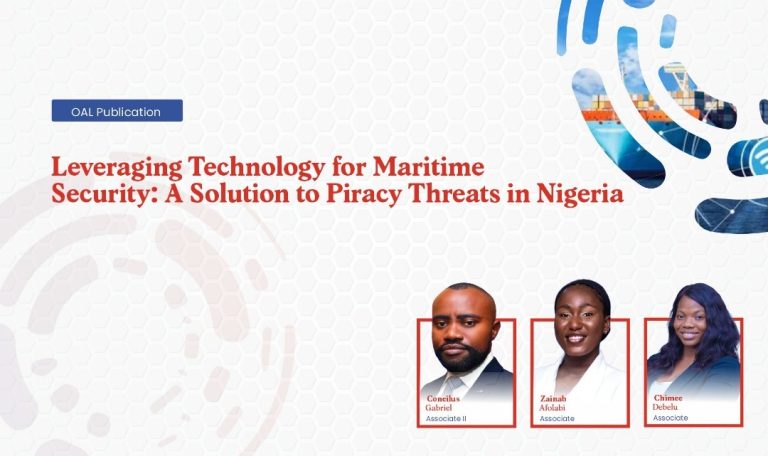
Leveraging Technology for Maritime Security: A Solution to Piracy Threats in Nigeria
Piracy threatens Nigeria’s maritime sector, but technology-driven solutions like AI, drones, & satellite tracking can enhance security & curb piracy effectively.
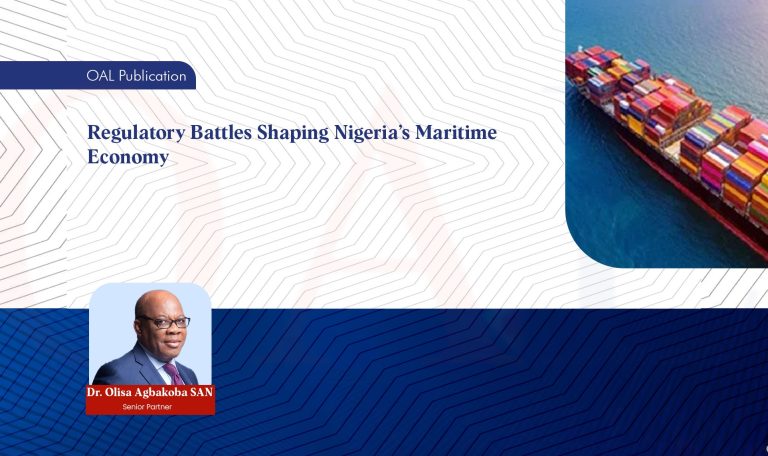
Regulatory Battles Shaping Nigeria’s Maritime Economy
Nigeria’s maritime sector drives trade and growth but faces challenges from outdated laws and weak implementation, impacting its full potential.
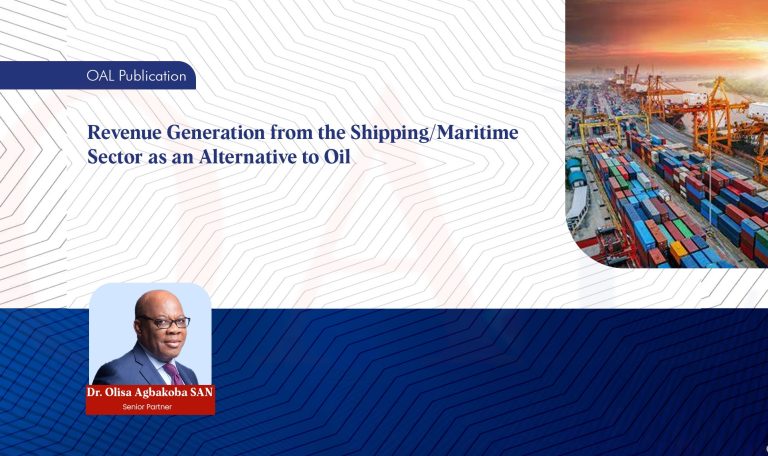
Revenue Generation from the Shipping/Maritime Sector as an Alternative to Oil
Nigeria’s maritime sector drives trade and energy exports but faces challenges from outdated laws and weak implementation, hindering growth.
The Urgent Need for a Nigerian Coast Guard: Enhancing Maritime Security and Economic Prosperity
Nigeria’s maritime sector is vital to its economic wealth but urgently requires measures to safeguard its extensive and strategic coastal resources.
Ship Ownership: A Guide to Acquiring a Ship in Nigeria
Becoming a ship owner in Nigeria presents various prospects for business ventures, leisure activities, exploration, and discovering new horizons.
Implication of Nigeria’s Extended Exclusive Economic Zone
Strategies to Unlock Non-Tax Revenues in Nigeria: Nigeria confronts significant revenue difficulties, notably evidenced by the N10.78 trillion budget deficit for 2023. To cover this deficit, the Federal Government plans to primarily rely on fresh borrowings amounting to N8.80 trillion.
Securing Nigeria’s Maritime Domain: Vigilance, Hot Pursuit, and Combating Crude Oil Theft
On Monday, November 14th, 2022, the Nigerian media was abuzz with news of the arrest and arraignment of the crew..
Communique Issued At The End Of A One Day Webinar Organized By The Maritime Practice Group Of Olisa Agbakoba Legal (OAL) With The Theme -Lekki Deep Sea Port: The Issues And Prospects For The Nigerian Economy
The Maritime Practice Group of Olisa Agbakoba Legal (OAL), a leading maritime law firm in Nigeria with over 45 years of existence and the brain behind the Coastal and Inland Shipping (Cabotage) Act 2003 organized a Webinar on the “Lekki Deep Sea Port: The Issues and Prospects for the Nigerian Economy” on the 14 June, 2023.
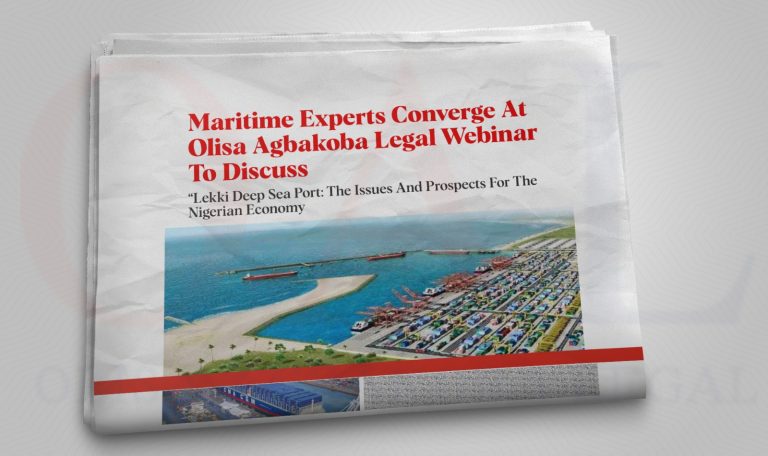
Maritime Experts Converge At Olisa Agbakoba Legal Webinar To Discuss “Lekki Deep Sea Port: The Issues And Prospects For The Nigerian Economy
Arbitration remains the top dispute resolution method in Africa, with arbitrators advocating for the country to become a hub for international arbitration. The International Commercial Court (ICC) facilitates efficient trade and dispute resolution, providing access to justice and the rule of law.