When Debt Becomes a Domino Effect: Why Nigerian Banks Lose Billions and How Strategic Recovery Can Stop the Fall
Every bank in Nigeria knows this story all too well.
A loan officer approves a facility for a long-standing customer, a trusted SME owner known for never defaulting. The business seems healthy, projections are strong, and the numbers look promising. But then, six months later, the first warning sign appears: a delayed repayment. As another month passes, then two, the customer becomes increasingly unreachable, calls go unanswered, emails bounce back, and suddenly, there are “documentation issues” with the collateral. Just like that, one loan joins the growing pile of non-performing loans, silently draining the bank’s balance sheet.
This is the daily reality for Nigerian banks, struggling to navigate economic uncertainty, foreign exchange volatility, and challenging operating environments. Borrowers sometimes misuse credit or find themselves unable to recover from market shocks. Yet, what many banks still underestimate is this critical fact:
Debt rarely starts as a legal issue, but it often transforms into one when early interventions fail.
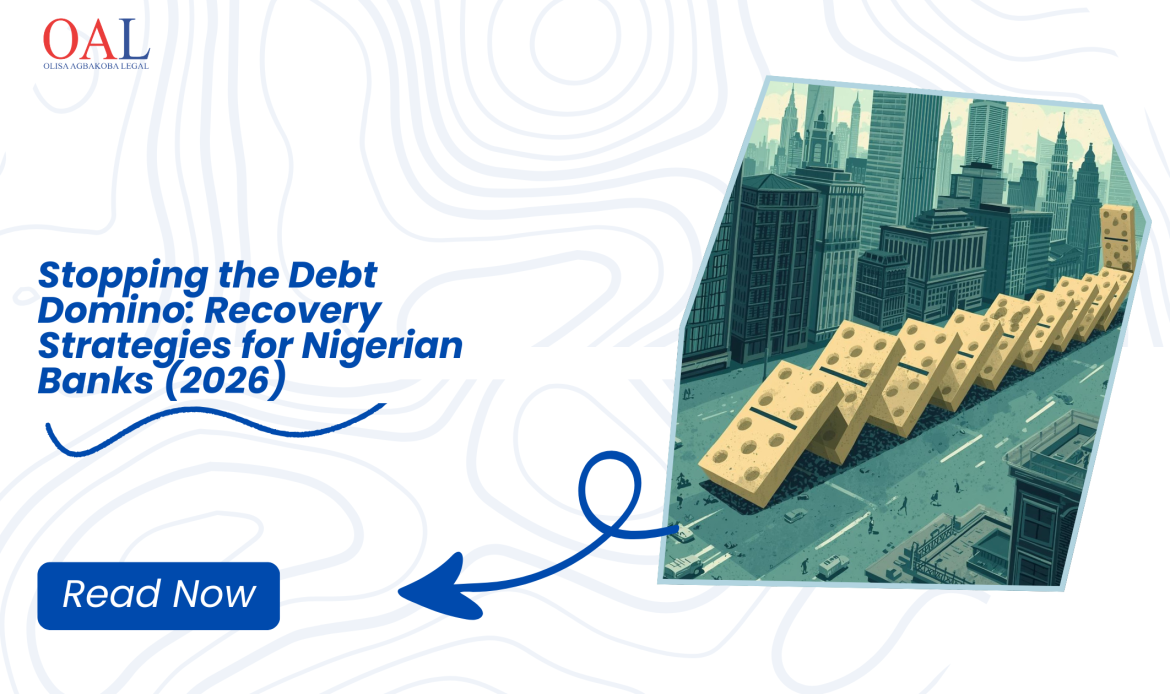
At OAL, we’ve seen how a single default can trigger a domino effect: strained liquidity, stricter regulatory scrutiny, impaired assets, frustrated shareholders, and ultimately, a loss of confidence in entire lending portfolios.
Debt Recovery Is Not About Aggression; It is About Strategy. Banks that excel in debt recovery don’t wait for the EFCC, police, or litigation to intervene. Instead, they adopt far more effective measures:
1. Data-Led Tracing and Profiling: Many defaulters don’t simply vanish; they just move faster than outdated recovery tactics. Accurate digital tracing, financial profiling, and asset verification can help recover loans without stepping into a courtroom.
2. Alternative Dispute Resolution (ADR): Sometimes borrowers genuinely want to repay but find themselves stuck. Mediation and structured negotiations can often unlock repayments quicker than traditional enforcement methods.
3. Forensic Review of Loan Documentation: Small errors in loan agreements or collateral documentation can complicate enforcement. Strong documentation is the foundation of a successful recovery strategy.
4. Strategic Litigation When Necessary: If a borrower is evasive or fraudulent, swift, precise, and well-planned legal action can protect the bank and prevent asset dissipation. The real transformation occurs when banks move from being reactive to proactive.
A Smart Bank Protects Its Loan Books Before Trouble Starts
Imagine a system where:
- Every borrower is meticulously risk-profiled.
- Recovery frameworks activate before loans hit 30 days past due.
- Digital tools track the movement of assets and corporate activities.
- Loan documentation is airtight and enforceable within days.
That’s the future top-performing banks must strive for, and it’s the system OAL can help them to build.
Banks Don’t Need More Recovery Teams; They Need Better Recovery Systems
Debt recovery is a discipline, a science, and a strategy grounded in law, data, negotiation, and technology. It requires the finesse of experts who understand the nuances of the Nigerian financial landscape. And every bank that adopts this approach has one thing in common: They recover faster, lose less, and protect shareholders’ value, even in a volatile economy.
If you’re facing chronic defaults, poorly documented facilities, or silent defaulters who seem to have disappeared, OAL is here to help turn non-performing loans into recovered value. Let’s work together to secure your loan book, strengthen your recovery system, and safeguard your bottom line.
Contact our Debt Recovery Team for a better legal solution.